To use gym machines well, adjust the seat so the joint you're moving lines up with the machine's pivot point, set the pin to a light starting weight, and move through a range that feels comfortable and controlled. Breathe out as you push or pull, don't let the stack crash down, and wipe the machine when you finish. Most machines have a diagram on the side, and an induction covers the rest.
Why machines are a good place to start
If you're working out how to use gym equipment for the first time, machines are the friendliest way in. Each one is built for a single movement, the path is fixed, and the weight sits safely in a stack beside you. You don't need to balance a bar or remember a complicated technique. You sit, adjust, and go.
That makes them handy for anyone getting back into it after a long break, or anyone who just wants to train without overthinking it. They're not a lesser option, either. Plenty of experienced lifters use machines every session because they're simple to load and easy to push hard on safely.
Set up any machine in four steps
Nearly every strength machine follows the same basic setup, so once you've learned the pattern you can walk up to almost anything and work it out. Take thirty seconds to get it right before your first rep. It's the difference between a machine that feels natural and one that feels awkward on your joints.
- Read the sticker. Most machines have a diagram showing the movement, the muscles worked and where the pivot point is.
- Adjust the seat. Line up the joint you're moving (knee, shoulder or elbow) with the pivot point, usually marked with a coloured dot.
- Set the pads and handles so they sit snugly against you without digging in. Your back should rest flat against the backrest.
- Choose your weight by sliding the pin fully into the stack until it clicks or sits flush.
Choosing your starting weight
Start lighter than you think you need. Pick a weight you could lift for 12 to 15 reps with good control, then do 10. The last few should feel like work, but you shouldn't be straining, wriggling in the seat or holding your breath to finish them.
If the first set feels too easy, move the pin down a plate or two for the next set. If it feels too heavy, move it up. Nobody is watching the number on the stack, and there's no prize for starting high. Note down where you landed so next time you can begin from there instead of guessing.
The machines worth knowing first
You don't need to learn every machine in the building. These cover your legs, chest, back and arms between them, and together they make a solid full-body session on their own.
- Leg press: feet flat, about hip width on the platform. Lower until your knees are bent to roughly a right angle, then press back up without locking your knees hard.
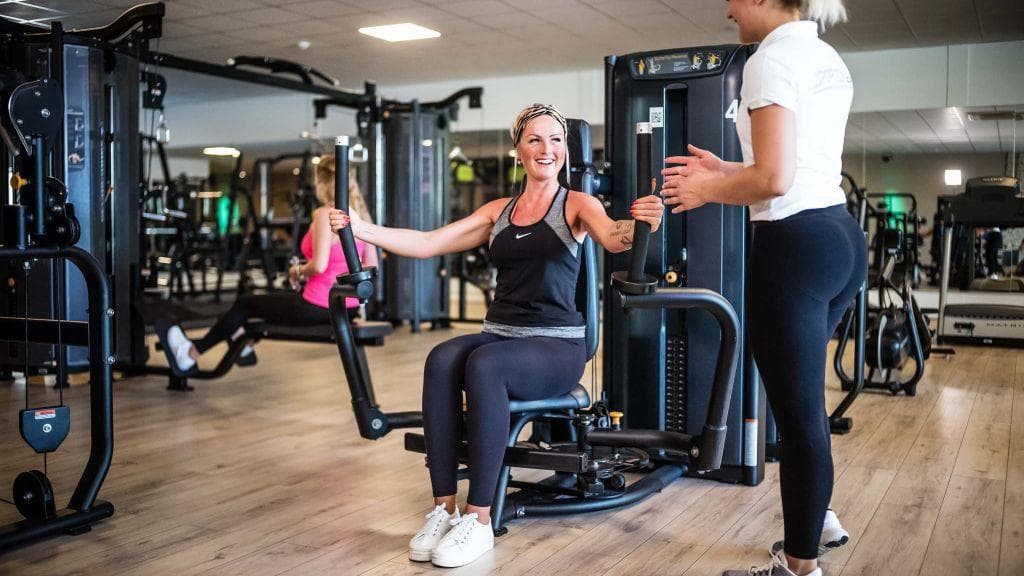
- Chest press: handles level with the middle of your chest. Push out smoothly, then let them come back until you feel a gentle stretch across the front.
- Lat pulldown: tuck your thighs under the pads, take a grip a bit wider than your shoulders and pull the bar to your upper chest, leading with your elbows.
- Seated row: chest against the pad if there is one, sit tall and pull the handles towards your ribs, squeezing your shoulder blades together.
- Leg extension and leg curl: line your knee up with the pivot and set the ankle pad just above your foot. Extension works the front of your thighs, curl works the back.
- Cable stack: an adjustable pulley you can clip different handles onto. It's great for rows, presses and arm work once you're comfortable with the fixed machines.
Small habits that make a big difference
Move with control in both directions. A useful rhythm is about two seconds on the way out and two seconds on the way back. Don't let the plates slam together between reps. Lowering the weight slowly is part of the exercise, and it's kinder on your joints and everyone's ears.
Use a range that feels comfortable. You don't need to force a deep stretch or lock your arms and legs straight at the end. If something pinches or hurts, stop, check your seat height and try again lighter. If it still doesn't feel right, skip it and ask.
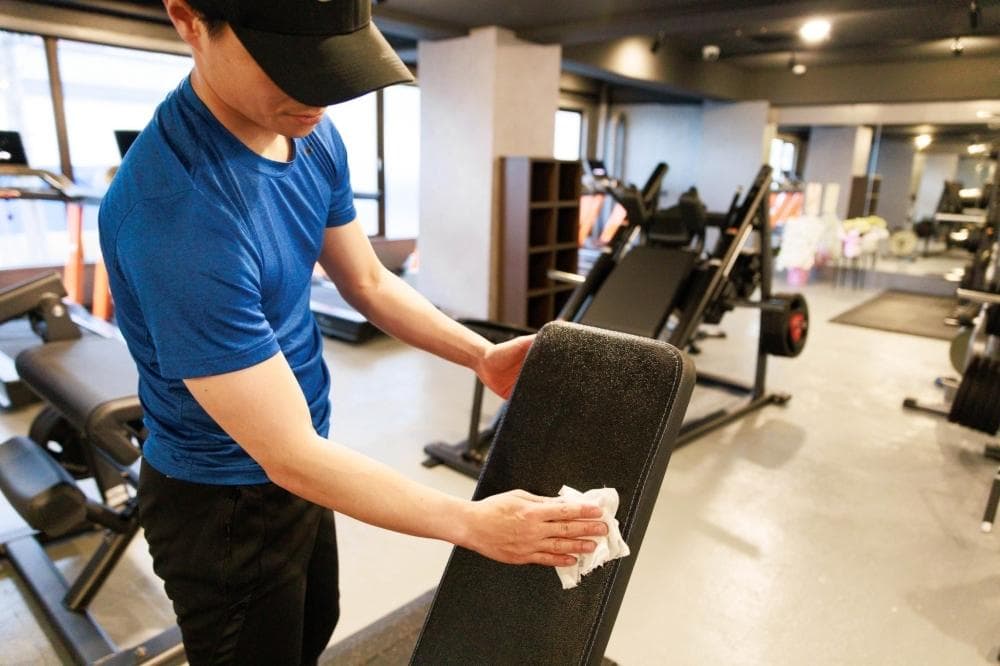
When you're done, wipe down the seat, pads and handles, and leave the pin in a light setting so the next person isn't surprised. It takes ten seconds and it's half of what people mean by good gym manners.
Learning the machines at Foundation
Foundation is fitted out with commercial Life Fitness strength machines, free weights and cardio gear, and every new member starts with an induction. That's where you'll be shown how to adjust each machine to your body, where the pivot points are and what weight to start on, so the first time you train alone isn't the first time you've touched the equipment.
The gym is open 24/7, so if you'd rather practise in a quieter hour while you find your feet, you can. If you'd like a coach beside you for longer, group classes and personal training are available too. If you have an injury or a health condition, check with your GP or physio before you start.
Key takeaways
- Line up the joint you're moving with the machine's pivot point before you do anything else.
- Start with a weight you could lift 12 to 15 times, do 10, and adjust from there.
- Move slowly in both directions and never let the stack crash.
- Leg press, chest press, lat pulldown, seated row and leg curl or extension make a full session.
- Wipe down what you used and write down your settings for next time.
General information only, not medical advice. If you have a health condition, injury or joint replacement, check with your GP or physio before starting something new.