How much protein you should have a day depends on your size and how active you are. Active adults who do strength training commonly aim for roughly 1.2 to 2 grams of protein per kilogram of body weight per day, a range widely published by sports nutrition bodies. The easiest way to get there is to include a palm-sized serve of protein at each meal and spread it through the day, using normal foods.
How much protein should I have a day?
If you're training regularly, a useful rule of thumb is roughly 1.2 to 2 grams of protein for every kilogram you weigh, each day. Sports nutrition organisations publish ranges along these lines for active people. Someone who is lifting weights a few times a week, or trying to keep muscle while losing weight, often sits toward the middle or upper part of that range.
To work out your own ballpark, multiply your body weight in kilograms by 1.2 for the lower end and by 2 for the upper end. For an 80 kg person that's somewhere between about 96 and 160 grams a day. You don't need to hit an exact number. Landing somewhere in the range most days is what counts.
This is general information for healthy adults. If you have kidney disease, diabetes or another medical condition, or you're pregnant, talk to your GP or an Accredited Practising Dietitian before changing how much protein you eat.
Why protein matters when you train
Training gives your muscles a reason to adapt. Protein gives them the building materials. Without enough of it, you'll still get some benefit from the gym, but you'll make it harder for your body to recover and get stronger.
Protein also tends to keep you feeling full for longer, which helps if you're trying to manage your weight. That's handy for anyone who finds themselves raiding the pantry at 9pm.
Food first: easy supermarket options
You don't need anything fancy. Most of what you need is already sitting in the aisles of your local supermarket, and much of it is affordable and quick to prepare.
- Eggs, boiled, scrambled or in an omelette
- Chicken thighs or breast, mince, lean beef and lamb
- Tinned tuna or salmon, which are great for a quick lunch
- Greek yoghurt, cottage cheese, milk and cheese
- Baked beans, chickpeas, lentils and kidney beans
- Tofu, tempeh and edamame
- Nuts, seeds and peanut butter as snacks or toppings
Spreading protein through the day
Many of us eat very little protein at breakfast and most of it at dinner. Evening things out tends to work better, and it's easier to reach your total when you're not trying to cram it into one meal.
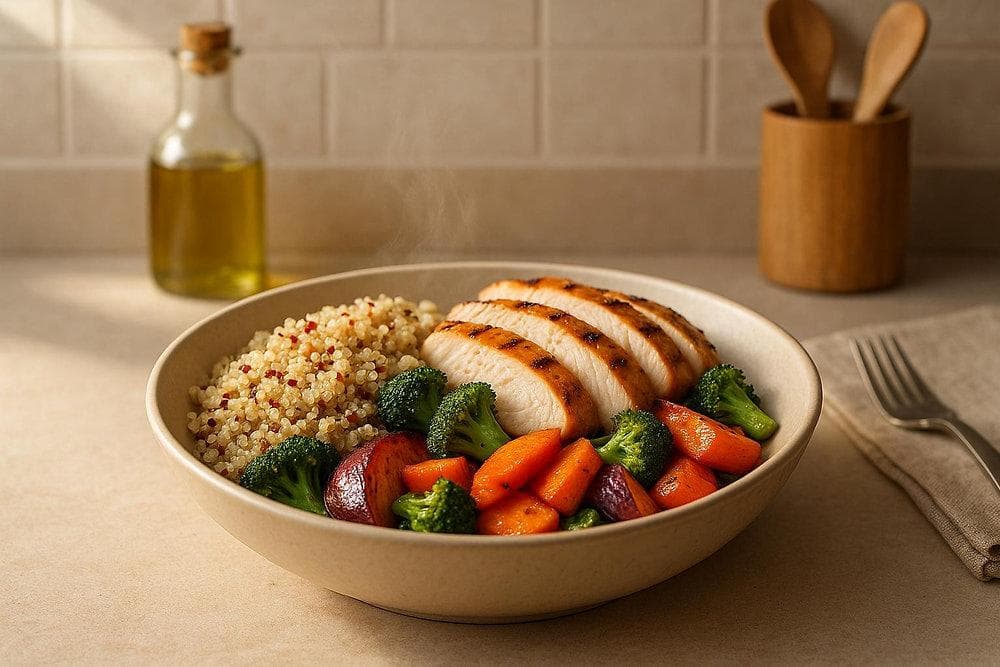
A practical way to think about it is to have a palm-sized serve of protein at each meal, plus a protein-rich snack if you need one. Here's what that might look like across a normal working day.
- Breakfast: eggs on toast, or Greek yoghurt with oats and fruit
- Smoko: a tin of tuna and crackers, or a boiled egg and a piece of cheese
- Lunch: leftover chicken or a bean and cheese wrap with salad
- Dinner: a lean mince bolognese, a stir-fry with tofu, or fish and veg
- Snack: a glass of milk or a tub of cottage cheese
What about protein powders?
Protein powders are a convenience food, not a must-have. Some people find them useful when they're time-poor or struggle to eat enough, but they don't do anything that real food can't. If you do use one, treat it as a top-up rather than the foundation of your diet.
Supplement labels can be confusing, and not every product suits every person. If you're unsure whether you need one, an Accredited Practising Dietitian can give advice that suits you, your training and any health conditions you have.
Pairing good food with training at Foundation
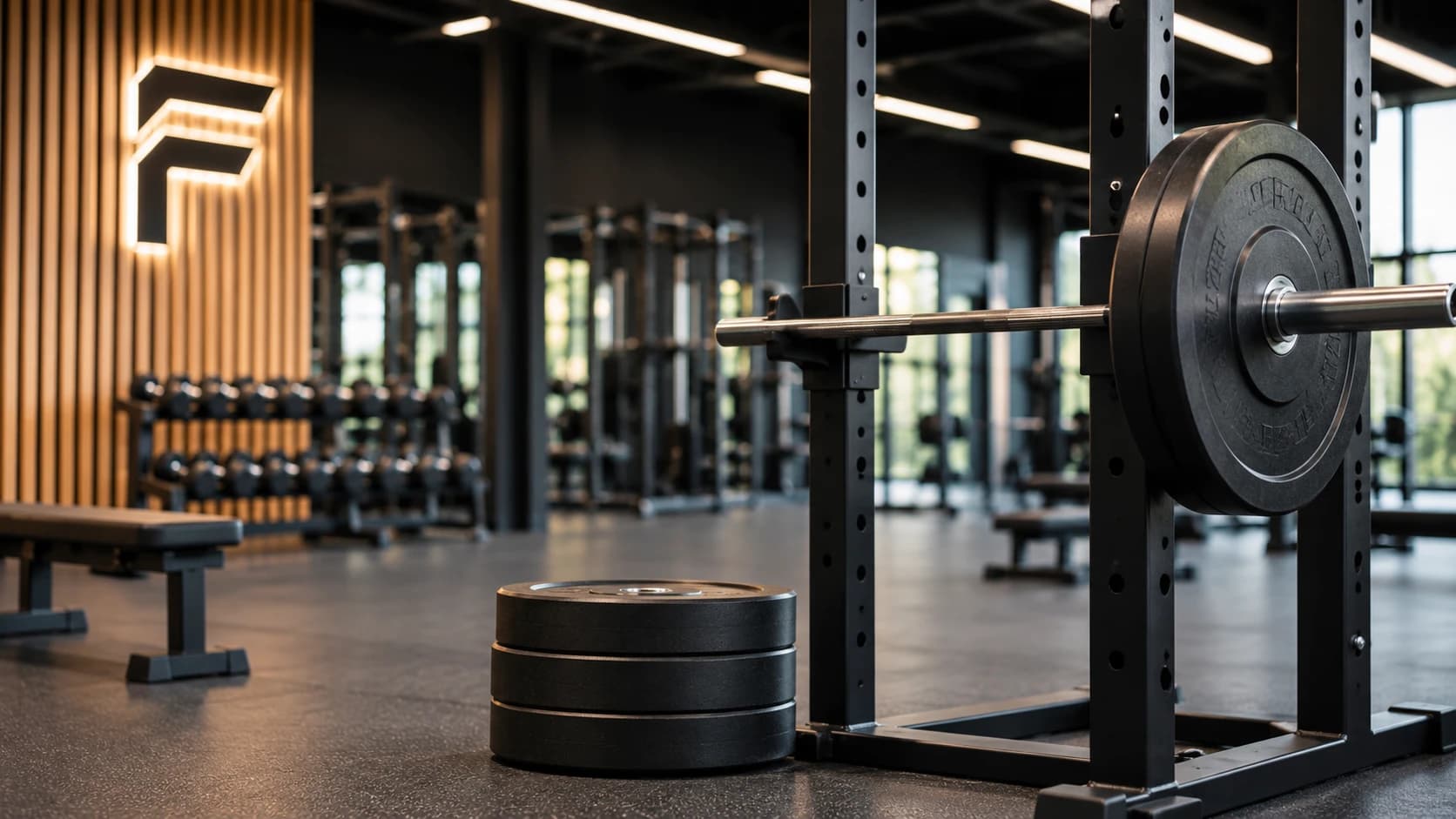
Protein works best alongside regular strength training, and that's the part we can help with. Every new member at Foundation gets an induction, so you'll know how to use the Life Fitness strength machines and free weights to give your muscles a reason to grow.
With 24/7 access, you can fit sessions in around work, shifts and family, including quieter times early or late. If you'd like some extra guidance with your training, group classes and personal training are available as options. For detailed nutrition advice, especially with a health condition, see your GP or an Accredited Practising Dietitian.
Key takeaways
- Active adults commonly aim for roughly 1.2 to 2 grams of protein per kilogram of body weight per day.
- Aim for a palm-sized serve of protein at each meal rather than loading it all into dinner.
- Everyday foods like eggs, tinned fish, yoghurt, meat and legumes cover most people's needs.
- Check with your GP or an Accredited Practising Dietitian if you have kidney disease or another medical condition.
General information only, not medical advice. If you have a health condition, injury or joint replacement, check with your GP or physio before starting something new.