Strength training for weight loss works best alongside sensible eating. Food has the biggest influence on how much weight you lose, but lifting weights helps make sure what you lose is mostly fat rather than muscle. Keeping muscle helps you stay strong, keeps everyday tasks easier and supports long-term health. Aim for two or three full-body sessions a week, eat enough protein and be patient with progress.
How strength training for weight loss really works
There's a lot of noise about weight loss, so let's be straight. Strength training for weight loss isn't a shortcut, and no exercise can outwork a diet that consistently gives your body more energy than it uses. What lifting weights does is change the quality of the weight you lose.
When people cut back on food without doing any resistance training, some of the weight that comes off is muscle. That's a problem, especially as we get older, because muscle is what keeps you strong, steady on your feet and able to manage things like groceries, stairs and gardening. Resistance training for fat loss sends your body a clear message to hang on to that muscle.
So the honest picture is this: food does most of the work on the scales, and strength training protects what you want to keep. Together, they tend to give a much better result than either on its own.
Why keeping muscle matters
It's well established that muscle and strength decline with age if we don't do anything about it. Losing weight in a way that also strips muscle can speed that up. You might weigh less, but feel weaker and find daily life harder.
Keeping muscle also helps you feel better in your body. Many people who combine strength work with weight loss notice their clothes fit differently and they feel more capable, even when the scales move slowly. That's why it's worth tracking more than just your weight.
The food side, kept simple
You don't need a strict diet plan to make progress. Small, sustainable changes usually last longer than big overhauls. Think about what you could keep doing for a year, not just a month.
If you have diabetes, kidney problems or any other health condition, speak with your GP or an accredited practising dietitian before making significant changes to how you eat.
- Include a source of protein at each meal, such as eggs, fish, chicken, legumes or yoghurt
- Fill half your plate with vegetables or salad
- Watch portions of energy-dense foods and drinks rather than banning them
- Drink water through the day
- Get enough sleep, since being tired makes healthy choices harder
A simple weekly approach
Two or three full-body strength sessions a week is a practical goal. Each session might include a leg press or squat, a push like a chest press, a pull like a seated row or lat pulldown, a hip hinge and some core work. Two or three sets of 8 to 15 reps per exercise is a good range to work in.
On other days, add some everyday movement. Walking, cycling or a session on a cross trainer all help, and so does simply sitting less. You don't need to wear yourself out. Steady, regular activity you enjoy will do more for you than occasional exhausting workouts.
Make each session a little more challenging over time by adding a rep, a set or a small amount of weight. That gradual increase is what tells your muscles they need to stay.
Measuring progress beyond the scales
The scales can be frustrating because your weight naturally goes up and down from day to day. If you're building or holding on to muscle while losing fat, the number may move more slowly than you'd hope even though things are going well.
Try tracking a few other things too. Note how much you can lift, how your clothes fit, how easily you climb stairs or carry shopping, and how you're sleeping. These are often the changes that matter most in daily life, and they keep you motivated when the scales stall.
Starting strength training at Foundation
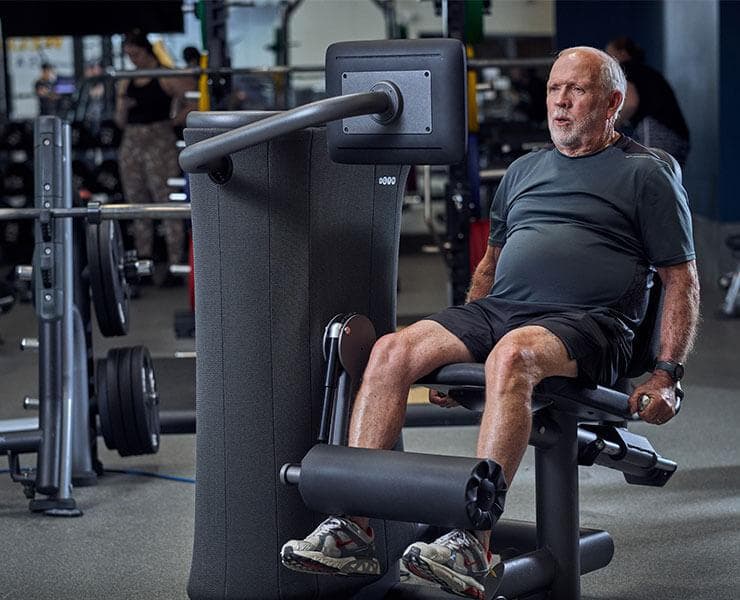
If you're new to weights, Foundation is a comfortable place to start. The gym is fitted out with commercial Life Fitness machines that guide each movement, which makes it easier to train safely while you learn. An induction will show you how to set each one up and pick a starting weight that suits you.
Open 24/7, you can fit sessions around work and family, and choose quieter hours if you prefer. Go at your own pace, start light and focus on turning up regularly. Before beginning, check with your GP or physio if you have a health condition, injury or have been inactive for a long time.
Key takeaways
- Food has the biggest effect on weight loss. Strength training helps you keep muscle while you lose fat.
- Keeping muscle matters more as you age, for strength, balance and independence.
- Two or three full-body sessions a week plus regular walking is a realistic plan.
- Track strength, energy and how clothes fit, not just the number on the scales.
General information only, not medical advice. If you have a health condition, injury or joint replacement, check with your GP or physio before starting something new.