Resistance training for sarcopenia means regularly working your muscles against a load, such as weight machines, dumbbells, bands or your own body weight, to slow and partly reverse age-related muscle loss. Two to three sessions a week, focused on the large leg, hip, back and arm muscles and gradually made harder, is a sensible approach. Pair it with enough protein in your diet, and check with your GP before starting if you have a health condition.
What sarcopenia is
Sarcopenia is the term for the gradual loss of muscle mass, strength and function that tends to come with ageing. It doesn't happen overnight. It creeps in over years, often unnoticed until everyday tasks start to feel harder than they used to.
Signs can include finding it tricky to rise from a low seat, slowing down on walks, struggling to open jars, or needing to rest partway up a flight of stairs. On their own these can seem minor. Together they chip away at independence.
Muscle loss with age is common, but it isn't simply a fixed part of getting older. How much we move, what we eat and whether we challenge our muscles all play a big role. That's where resistance training for sarcopenia comes in.
Why resistance training for sarcopenia works
Muscles adapt to what we ask of them. When you lift, push or pull against a load that is a bit challenging, your body responds by repairing and strengthening the muscle. Repeat that regularly and strength and muscle can build back up, even later in life.
General activity like walking and gardening is valuable, but it usually doesn't challenge muscles enough to rebuild what's been lost. Resistance training gives a stronger, more targeted signal. That's why it's widely seen as the cornerstone of managing sarcopenia.
Australia's Physical Activity and Exercise Guidelines encourage muscle-strengthening activity on at least two days a week, and recommend older Australians include strength, balance and flexibility. If you're starting from a low base, even one session a week is a worthwhile first step towards that.
Sarcopenia exercises to start with
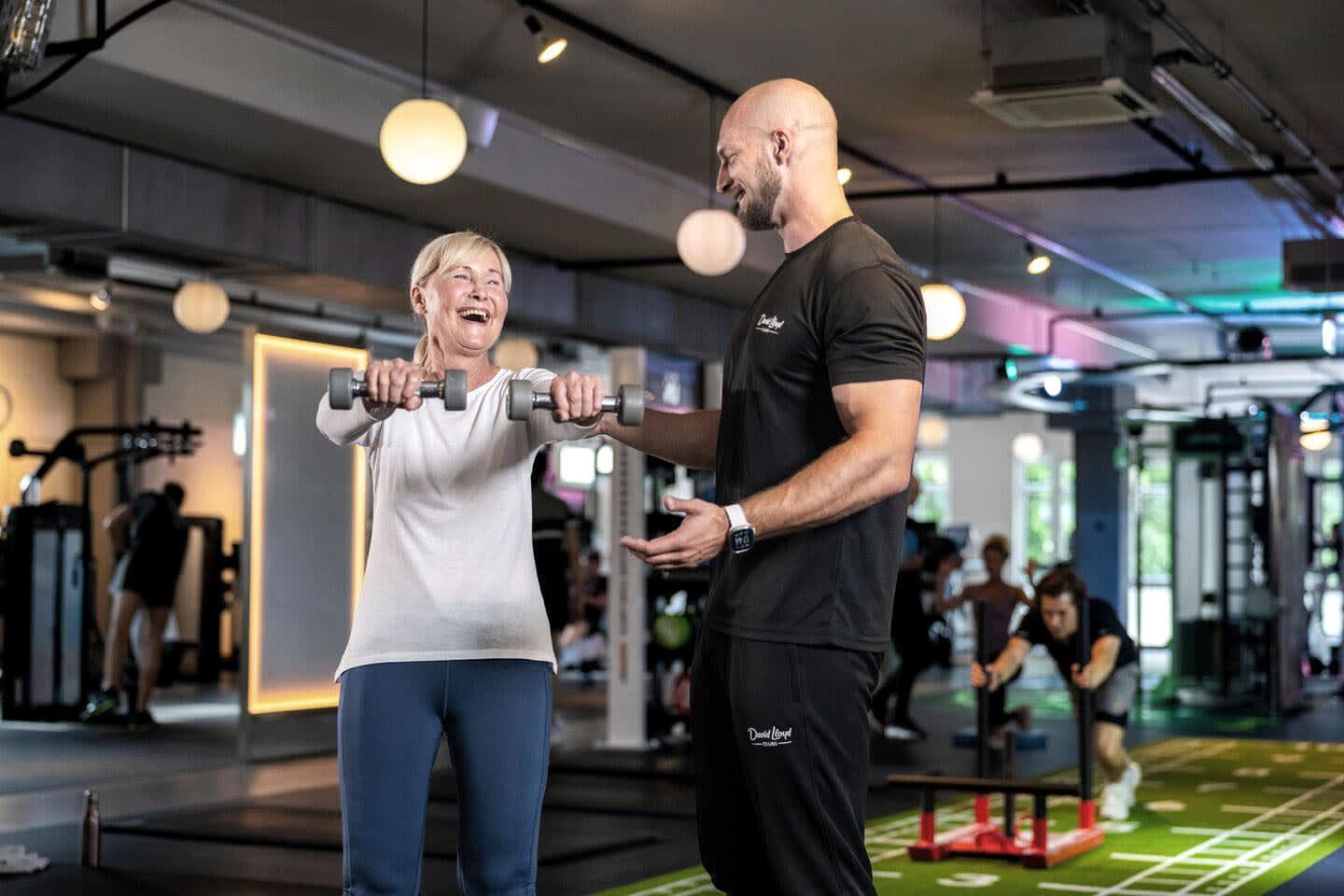
Focus on the big muscle groups that keep you mobile: thighs, hips, back and arms. Begin with a weight you can lift ten to fifteen times with good control, and rest for a minute or two between sets.
- Chair stands: rise from a firm chair without using your hands if you can, then sit back down slowly. Progress by using a lower chair or holding a light weight.
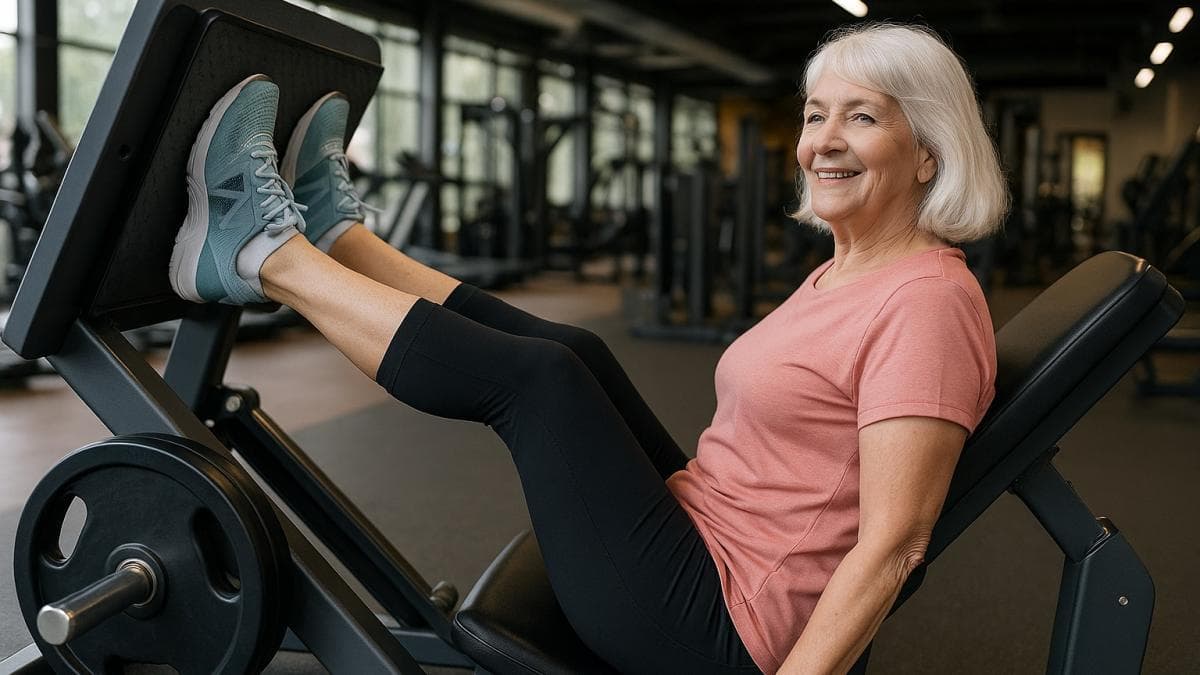
- Leg press machine: a supported way to strengthen the thighs and hips. Start with a light setting and add weight in small steps.
- Seated row machine: strengthens the upper back for posture and pulling tasks like opening heavy doors.
- Chest press machine: builds the pushing strength used to get up off the floor or out of bed.
- Hand grip squeezes: squeeze a soft ball or grip trainer for a few seconds, then relax. Helpful for jars, taps and carrying bags.
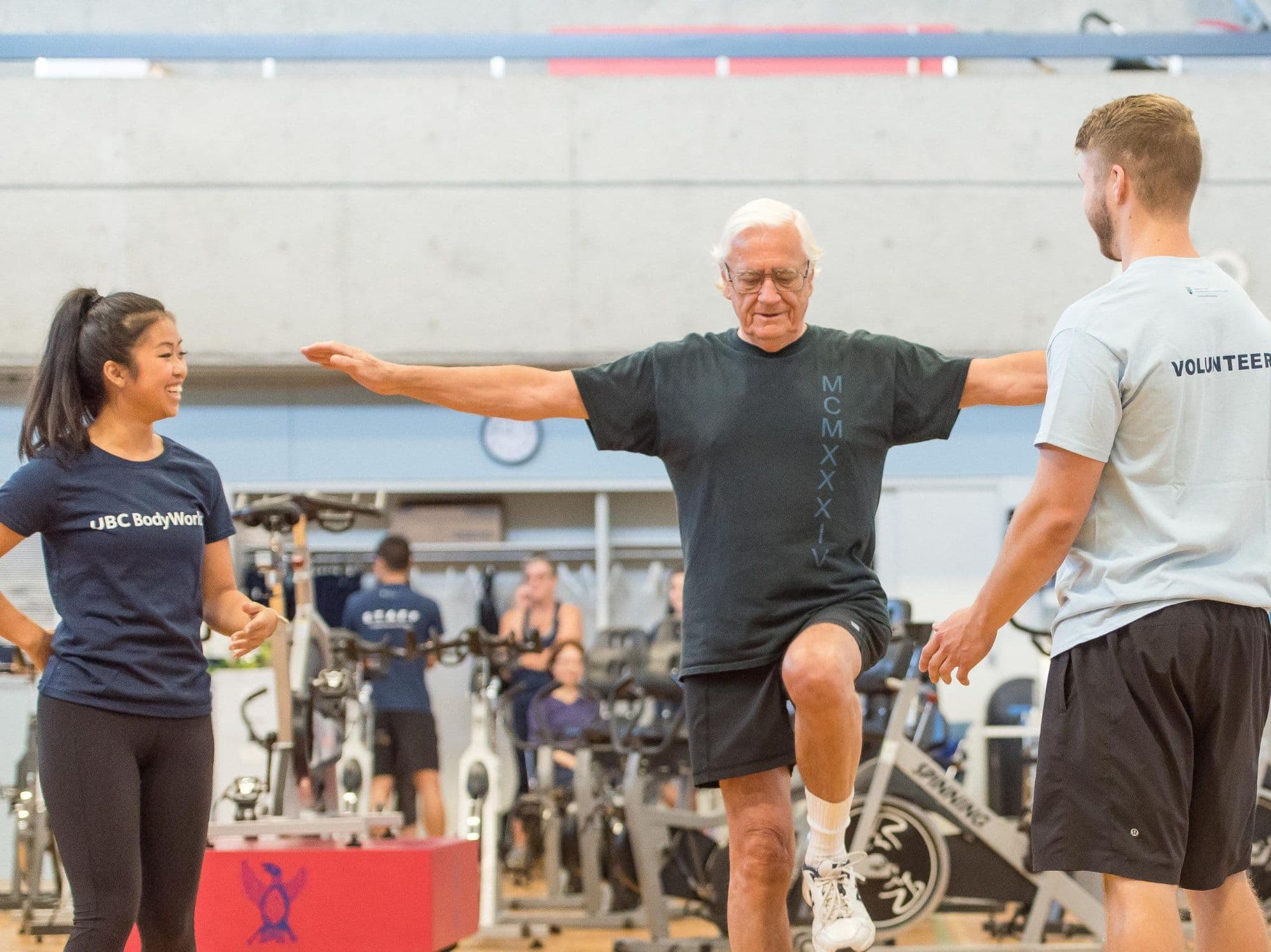
- Supported calf raises: hold a bench, rise onto your toes and lower slowly. Ankle strength helps with walking speed and steadiness.
Progression, recovery and food
To keep improving, muscles need a challenge that slowly increases. When a set starts to feel easy, add a small amount of weight or a couple of extra repetitions. Keep the change small so your joints and tendons can adapt alongside your muscles.
Rest is when muscle actually rebuilds, so leave a day between sessions that work the same areas. Good sleep helps too.
Food matters as well. Muscle needs protein to repair and grow, and many older adults don't eat enough of it. Including a source of protein at each meal is a simple habit. If you have kidney disease or other dietary restrictions, ask your GP or a dietitian what's right for you.
Safety first
If you have heart disease, high blood pressure, osteoporosis, diabetes, a joint replacement or you've been unwell recently, see your GP or physio before you start. Most people can still do resistance training, but some exercises may need adjusting.
Stop and seek advice if you feel chest pain, unusual breathlessness, dizziness or sharp joint pain while exercising. Mild muscle soreness a day or two later is normal and usually fades quickly.
Getting started at a gym like Foundation
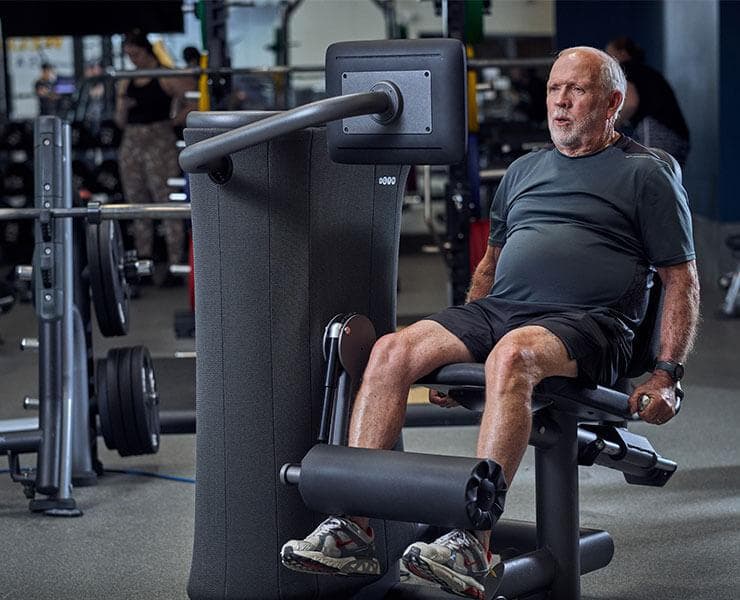
Weight machines are ideal for rebuilding muscle because they support your body and let you increase resistance in small, precise steps. At Foundation, an induction shows you how to adjust each machine and pick a sensible starting weight.
There's no rush. Start light, learn the movements, and go at your own pace. With 24/7 access, you can come in whenever suits you, including quieter times of day when you'd like the room mostly to yourself.
Key takeaways
- Sarcopenia is age-related loss of muscle and strength, and it affects everyday independence.
- Resistance training for sarcopenia gives muscles the challenge they need to rebuild, at any age.
- Focus on legs, hips, back and arms, two to three times a week, increasing the load gradually.
- Eat protein regularly and rest between sessions so muscle can repair.
- Check with your GP or physio before starting if you have a health condition.
General information only, not medical advice. If you have a health condition, injury or joint replacement, check with your GP or physio before starting something new.