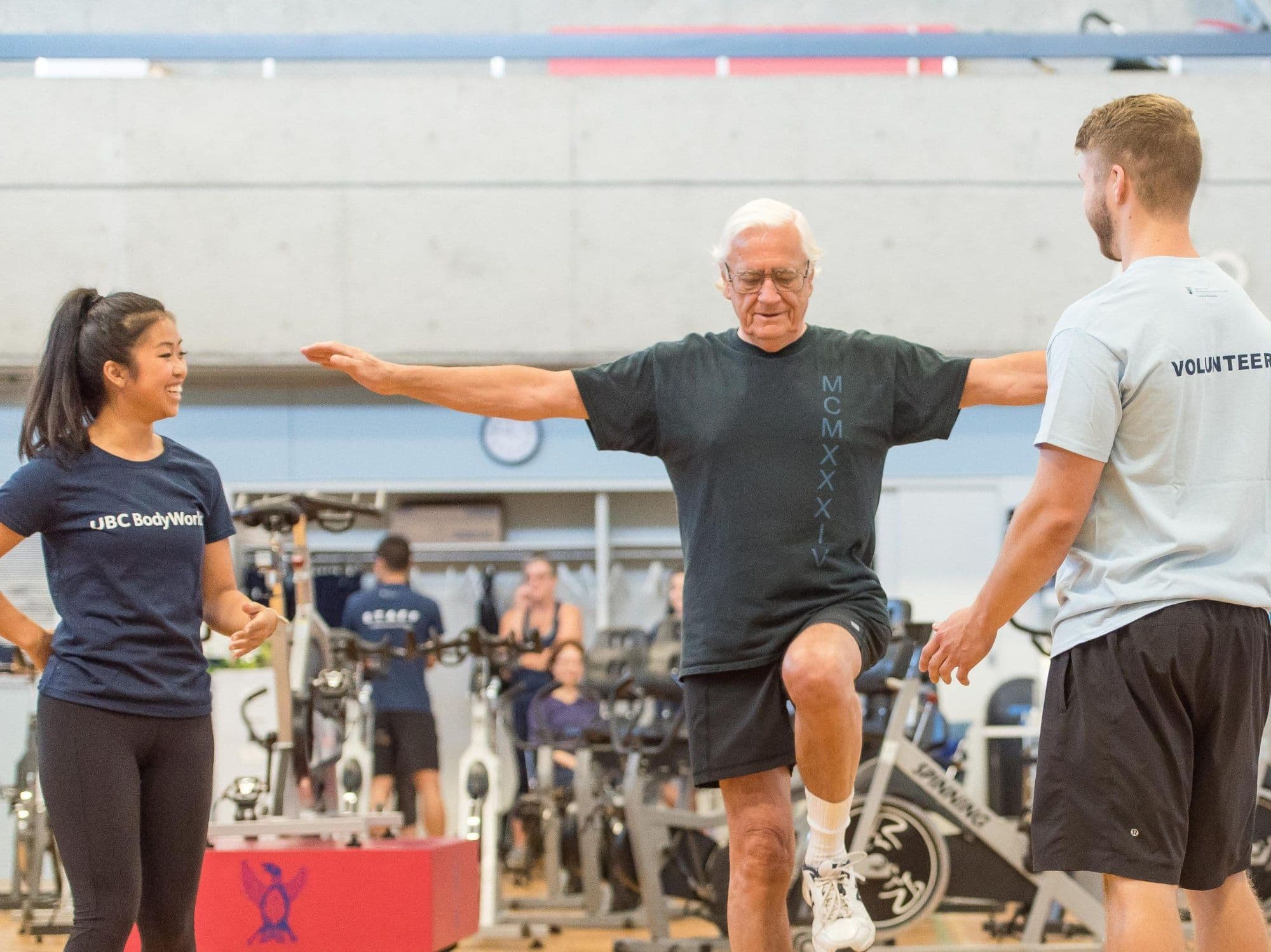
Strength training for seniors means working your muscles against resistance, such as your body weight, dumbbells or machines, two or more days a week. It helps older adults keep the strength needed for everyday jobs like climbing stairs, carrying shopping and getting up from a chair. Start with light loads, learn good technique, rest between sessions and build up gradually. Check with your GP first if you have a health condition.
Why strength training for seniors matters
From middle age onwards, muscle and strength slowly decline if we don't use them. You might notice it first in small ways: the low couch feels harder to get out of, the garden bag seems heavier, or you reach for the handrail more often on the stairs. Strength training for seniors is the most direct way to push back against that drift.
The good news is that muscles respond to training at any age. People who start in their sixties, seventies and beyond can still get noticeably stronger. That strength shows up where it counts, in the things you do every day without thinking about them.
Australia's Physical Activity and Exercise Guidelines encourage adults to do muscle-strengthening activity on at least two days a week, and suggest older Australians include strength, balance and flexibility in their routine. Walking is wonderful, but on its own it doesn't load your muscles enough to keep them strong.
What strength training actually involves
Strength training, also called resistance training, simply means asking a muscle to work against a load. That load can be your own body weight, a resistance band, a pair of dumbbells or a weight machine. You lift or push it a set number of times, rest, and repeat.
A typical session covers the big movement patterns we use in daily life: sitting down and standing up, pushing, pulling, carrying and stepping. You don't need dozens of exercises. Six to eight well chosen movements, done with care, will cover the whole body.
Most older adults do well with one to three sets of eight to fifteen repetitions per exercise. Pick a weight where the last two or three repetitions feel challenging but your form stays tidy. If you can't finish the set with good control, the weight is too heavy.
Resistance exercises for seniors to start with
These movements are a sensible starting point for most people. Begin with body weight or the lightest option, and only add load once you can do every repetition smoothly.
- Sit to stand: from a firm chair, lean forward slightly, push through your heels and stand up tall, then lower back down slowly. Progress by holding a light dumbbell at your chest.
- Wall push-up: hands on a wall at shoulder height, bend your elbows to bring your chest towards the wall, then push away. Progress to a kitchen bench, then a sturdy table.
- Seated row: on a machine or with a band looped around a post, pull your elbows back and squeeze your shoulder blades together. Keep your back tall.
- Step-ups: step onto a low, stable step with one foot, stand fully, then step down with control. Hold a rail at first if you need it.
- Farmer's carry: hold a light weight in each hand and walk tall for 20 to 30 steps. It builds grip and trunk strength for carrying shopping.
- Calf raises: holding a bench for support, rise up onto your toes and lower slowly. Good for walking and ankle strength.
How to progress safely
The key principle is gradual progress. Once a set of twelve feels comfortable for two sessions in a row, make it a little harder. Add a small amount of weight, add a few repetitions, or slow the lowering phase down. Change one thing at a time.
Some muscle soreness a day or two after a new exercise is normal and usually fades quickly. Sharp pain, joint pain that lingers, dizziness or chest discomfort are not normal. Stop and seek advice if any of these happen.
Leave at least a day between sessions that work the same muscles. Two or three sessions a week, with rest days in between, gives your body time to recover and adapt. Consistency over months matters far more than any single hard workout.
Check in with your GP or physio first
If you have a heart condition, high blood pressure, osteoporosis, diabetes, a joint replacement, or you're recovering from surgery or a fall, talk to your GP or physio before you begin. Most people with these conditions can still strength train, but you may need some exercises adjusted or avoided.
It helps to go in with specific questions. Ask which movements to be careful with, whether there's a limit on how much you should lift, and what warning signs to watch for. Write the answers down and bring them with you to the gym.
Starting at a gym like Foundation
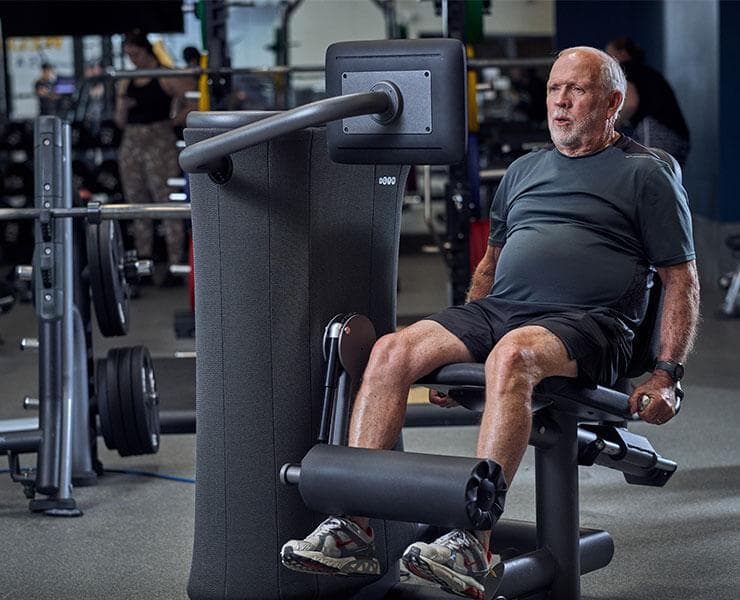
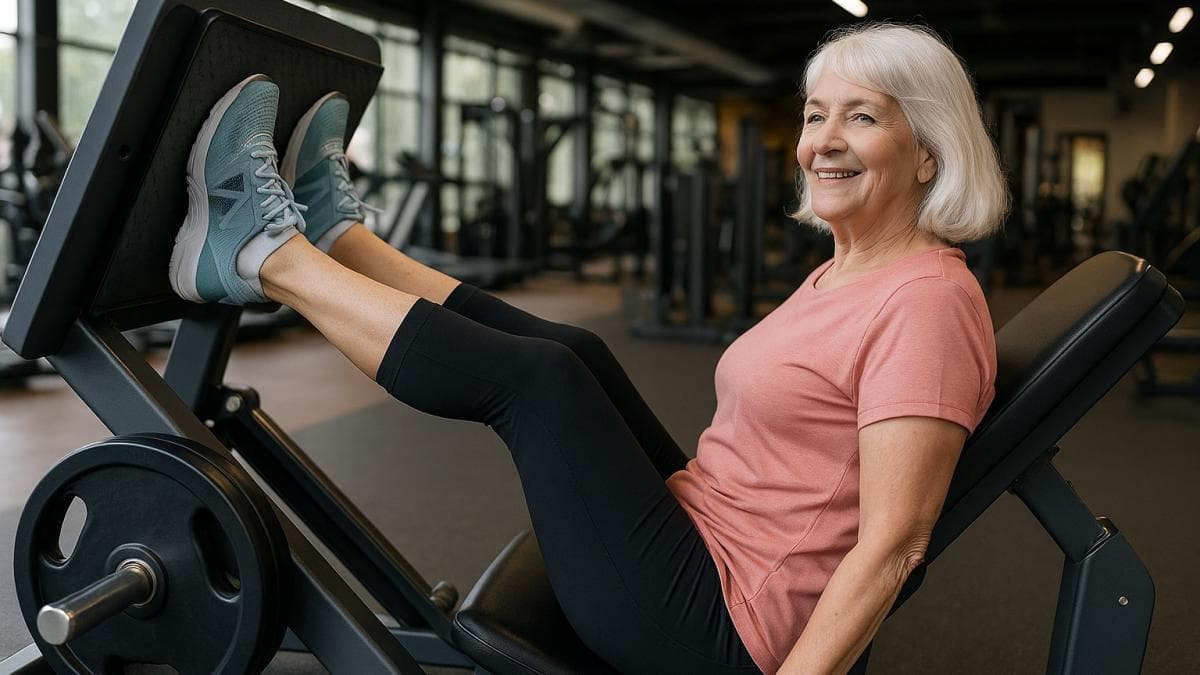
Machines can be a good place to start, because they guide the movement and let you adjust the weight in small steps. At Foundation, new members are shown around the equipment at their induction, so you'll know how to set up each machine and choose a starting weight before you train on your own.
With 24/7 access, you can pick the times that suit you, including quieter hours if you'd rather not train in a busy room. Go at your own pace, start lighter than you think you need, and treat the first few weeks as learning. Strength comes steadily when you keep turning up.
Key takeaways
- Strength training for seniors helps you keep doing everyday jobs like stairs, shopping and getting up from a chair.
- Aim for at least two sessions a week covering the main movements: standing up, pushing, pulling, stepping and carrying.
- Start light, keep your technique tidy and change only one thing at a time when you progress.
- Talk to your GP or physio first if you have a heart, bone or joint condition.
General information only, not medical advice. If you have a health condition, injury or joint replacement, check with your GP or physio before starting something new.