Balance exercises for seniors are simple movements that train your body to stay steady, such as standing on one leg, heel-to-toe walking and controlled stepping. Practised a few times a week, they help older adults feel more confident on uneven ground, stairs and busy footpaths. Always start next to something sturdy to hold, progress slowly, and pair balance work with leg strength training for the best protection against falls.
Why balance exercises for seniors are worth the effort
Balance is a skill, and like any skill it fades when we stop practising it. As the years go on, many of us move less, sit more and walk on the same flat surfaces every day. Our feet, ankles and the systems that tell us where our body is in space get less practice, and we start to feel a bit wobbly.
Balance exercises for seniors give those systems regular, gentle challenges so they stay sharp. Over time people often notice they feel surer stepping off a kerb, turning quickly in the kitchen or walking across a grassy park.
There's also a confidence side to this. Many older adults who have had a near miss start avoiding things, which leads to less movement and even poorer balance. Practising balance in a safe, controlled way helps break that cycle.
Balance and falls prevention go hand in hand with strength
Good balance isn't only about your inner ear. It relies on strong legs, ankles that can react quickly and hips that can catch you when you shift your weight. That's why falls prevention works best when balance practice is combined with leg strength training.
Australia's Physical Activity and Exercise Guidelines encourage older Australians to include strength, balance and flexibility activities as part of being active. Think of these three as a team rather than separate boxes to tick.
If you've had a fall, feel dizzy when you stand, or have a condition that affects your balance such as an inner ear problem, Parkinson's or neuropathy in your feet, see your GP or physio before starting. They can tell you which exercises suit you and whether you need closer supervision.
Balance exercises for the elderly you can start today
Do these beside a kitchen bench, a sturdy chair back or a rail. Rest a hand on it lightly at first. The aim is to need it less over time, not to let go before you're ready.
- Feet together stand: stand with your feet touching for 20 to 30 seconds. When that's easy, try it with your eyes closed, still holding on.
- Semi-tandem stand: place one foot half a step in front of the other so the heel sits beside the opposite big toe. Hold, then swap feet.
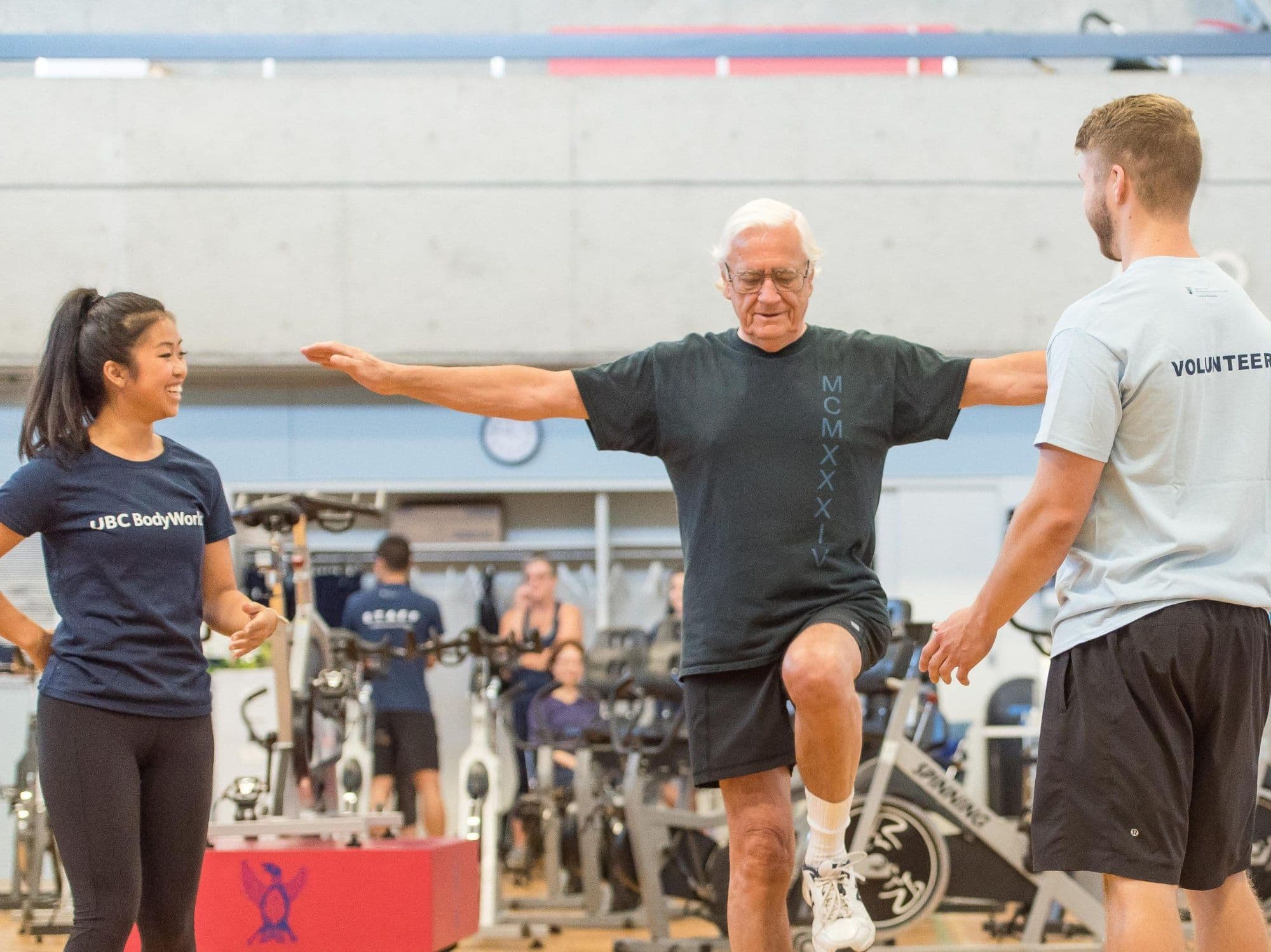
- Single leg stand: lift one foot just off the floor and hold for up to 30 seconds. Progress by lightening your grip to a fingertip.
- Heel-to-toe walk: walk along a bench or hallway placing each heel directly in front of the other toes. Go slowly and look ahead, not down.
- Side steps: step sideways along the bench for ten steps, then return. Keep your toes pointing forward and your steps controlled.
- Sit to stand without hands: rising from a chair without pushing off trains the leg strength that underpins good balance.
How to make balance work harder, safely
Once an exercise feels steady for the full time, you can make it a little more demanding. Reduce your hand support, close your eyes briefly, turn your head slowly from side to side, or stand on a slightly softer surface like a folded mat.
Only change one thing at a time and always keep your support within reach. A small wobble means you're working at the right level. A big lurch means you've gone too far, so step back to the easier version.
Little and often is the best approach. A few minutes of balance practice most days will do more than one long session a week. Many people fit it into routines they already have, like standing on one leg while waiting for the kettle.
Using the gym for balance and leg strength
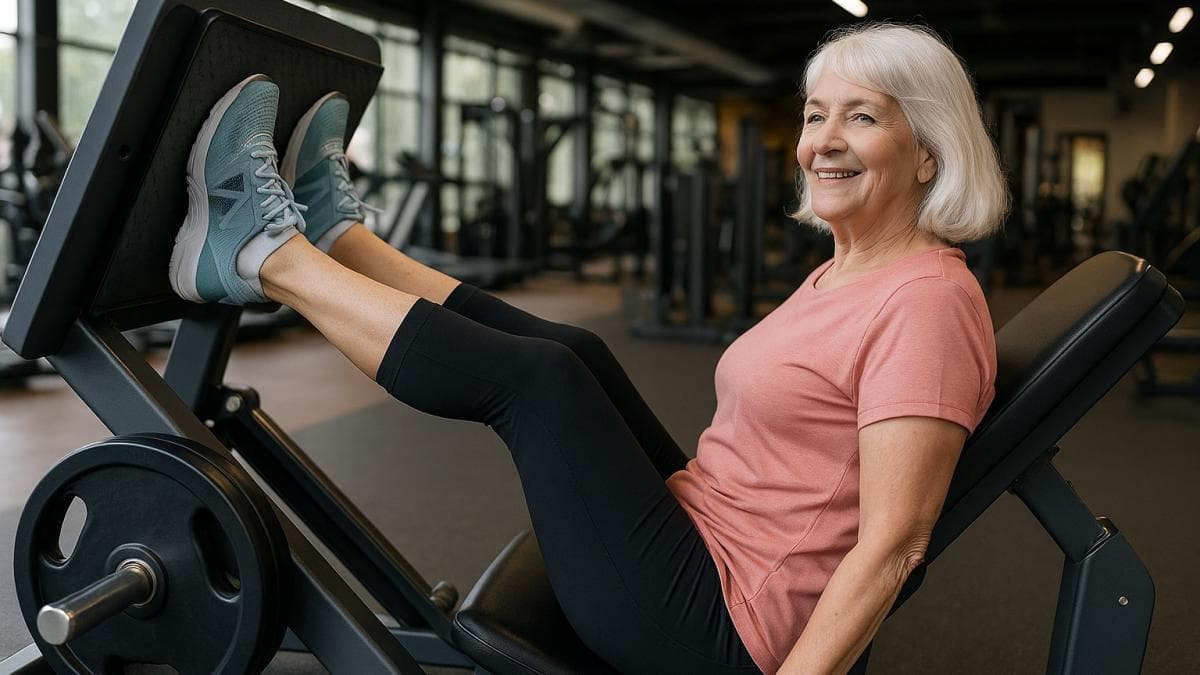
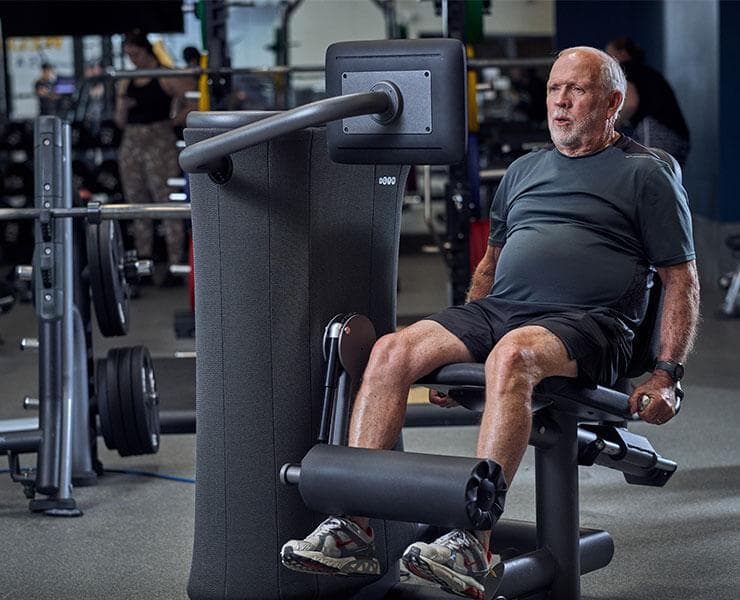
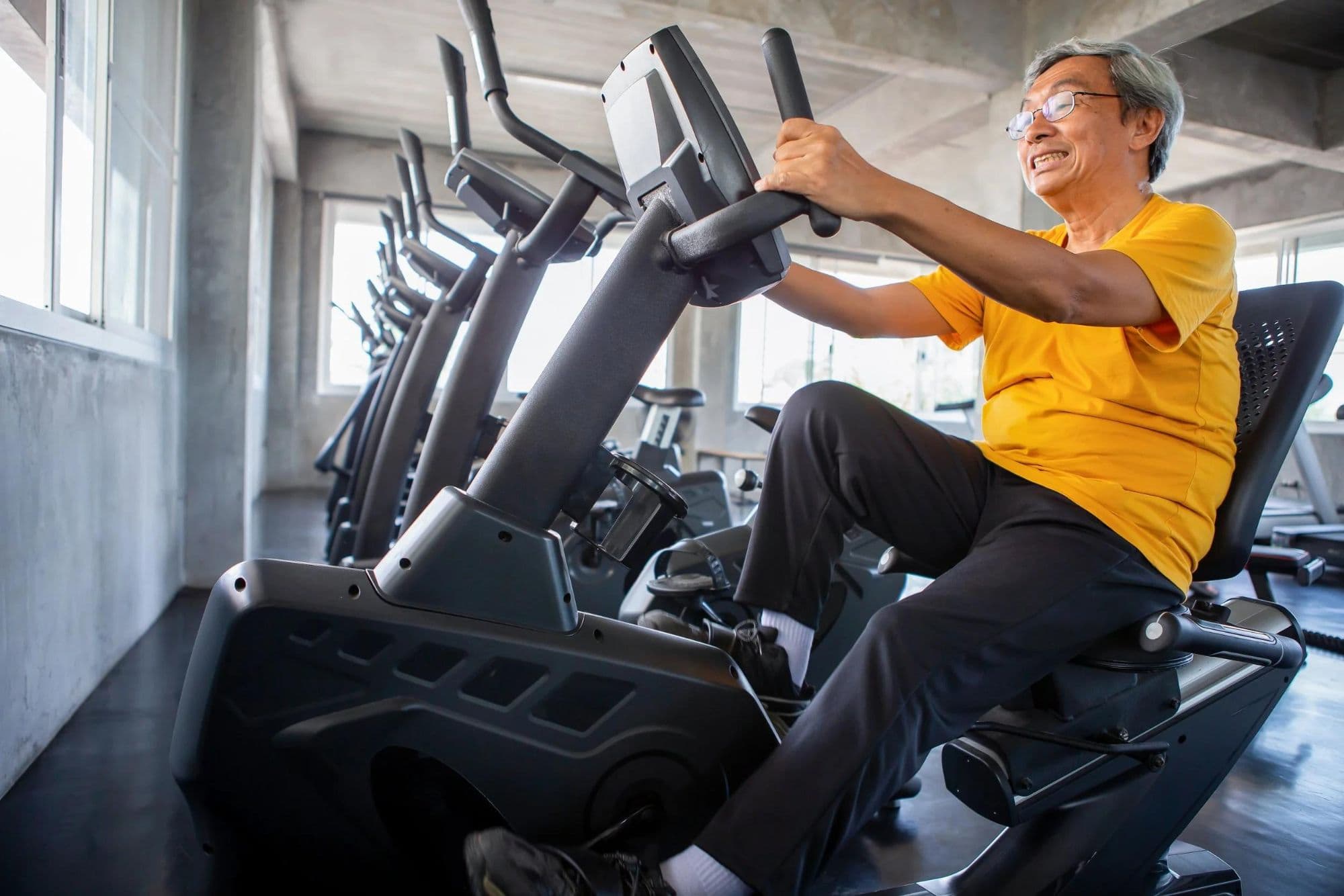
At home you can practise the basics, but a gym adds options for building the leg and hip strength that keeps you upright. Leg press, seated leg curl and hip machines let you strengthen each muscle group with steady, adjustable resistance. Step-ups and supported calf raises round it out.
At Foundation, your induction includes being shown how the equipment works and where to find sturdy supports for balance work. With 24/7 access you can come in at quiet times, when there's plenty of space and no one rushing past while you practise standing on one leg.
Start with a short routine: a few minutes of balance practice, then three or four leg and hip exercises at a light weight. Build from there at your own pace.
Key takeaways
- Balance is a skill that fades without practice, and improves again when you train it.
- Pair balance exercises for seniors with leg strength training for the best falls prevention.
- Always practise next to something sturdy, and reduce your support gradually.
- A few minutes most days beats one long session a week.
- If you've had a fall or feel dizzy, check with your GP or physio before you start.
General information only, not medical advice. If you have a health condition, injury or joint replacement, check with your GP or physio before starting something new.