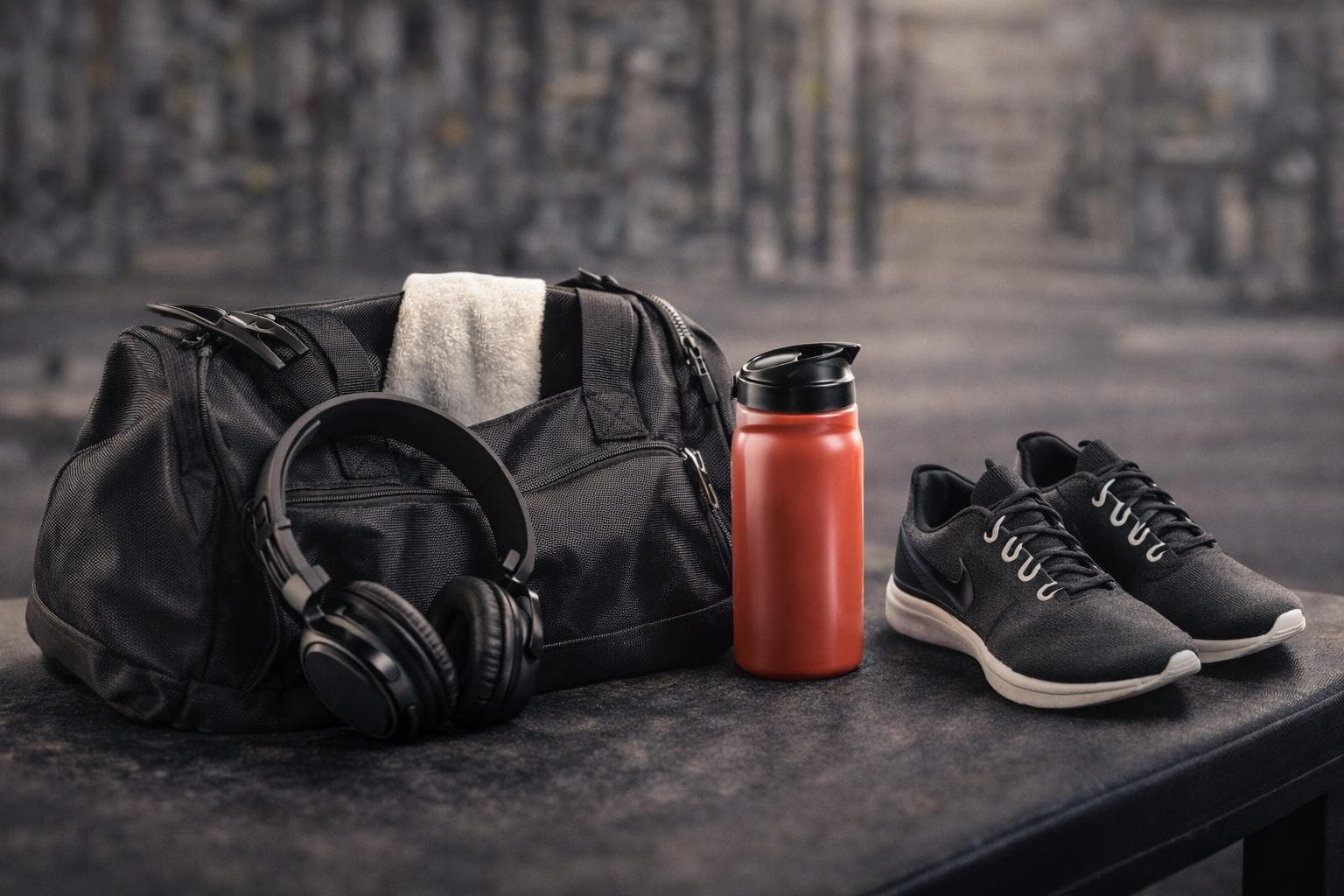
What to bring to the gym is a shorter list than most people think. You need comfortable clothes you can move in, supportive closed-toe shoes, a water bottle, a small towel and your access card or app. A padlock, headphones and a snack for after are handy extras. You don't need special gear, supplements or a fancy bag to get started.
The short answer
If you're wondering what to bring to the gym for your first few sessions, keep it simple. The essentials fit in any backpack, and the rest is optional. Packing the night before also takes one more excuse off the table when the alarm goes.
It's worth having a bag that lives by the door or in the car, already packed. Then the only decision left is whether you're going, not whether you can find a clean towel.
The essentials
These are the things you'll want every single time. Everything else is a nice-to-have.
- Your access card, key fob or phone app. At a 24/7 gym, this is how you get in the door, so it's the one item you really can't forget.
- A water bottle. Sip between sets, especially on warm Queensland days.
- A small towel, for wiping sweat and for laying on benches and mats.
- Closed-toe shoes with a bit of grip. Runners are fine for most things. Thongs and bare feet are not.
- Comfortable clothes you can bend, squat and reach in without fiddling with them.
Handy extras
None of these are required, but they make a session more pleasant once you're going regularly.
- Headphones, if music or a podcast helps you settle in.
- A padlock for a locker, if you're bringing a wallet or work gear.
- A notebook or notes app to record what you lifted, so next time you know where to start.
- A hair tie, a spare pair of socks and deodorant for after.
- A snack or something to eat afterwards if you're heading straight to work or the school pick-up.
What you can leave at home
You don't need lifting gloves, a weight belt, wrist wraps or a pre-workout drink to start. Some experienced lifters use a few of these, but they solve problems you won't have for a long while, if ever. Brand-new activewear isn't required either. An old t-shirt and shorts do the job perfectly well.
Jewellery and big watches are easier left at home or in the car, since rings can pinch on handles and bracelets catch on things. And if your bag is getting heavy, it's probably full of things you won't use. Lighten it up.
Food and drink around your session
You don't need to arrive stuffed or starving. If you've eaten a normal meal in the last few hours, you're fine. If it's been a while, a banana, a piece of toast or a handful of something on the way in can stop you running out of steam halfway through.
Fill your water bottle before you leave home and sip through the session rather than gulping it all at the end. Afterwards, a regular meal with some protein in it does the job. Shakes and powders are a convenience, not a requirement. If you have diabetes or another condition that affects how you eat around exercise, your GP is the right person to ask.
Training early, late or after a shift
One of the best things about a 24/7 gym is that it fits around your life rather than the other way round. If you're coming in before dawn, after a late shift or once the kids are in bed, a little planning makes it smoother.
Lay out your clothes and bag the night before an early session so you can leave without waking the house. Wear layers on cooler mornings for the walk in, and think about lighting if you park a short way from the door. If you come straight from work, keep a change of clothes in the car so you're not training in steel caps or a work shirt.
What to bring to Foundation
At Foundation, your access card or app is your key to the building at any hour, so check it's in your bag or on your phone before you head out. Bring the essentials above and you're set. The commercial Life Fitness machines, free weights and cardio equipment are all there when you arrive.
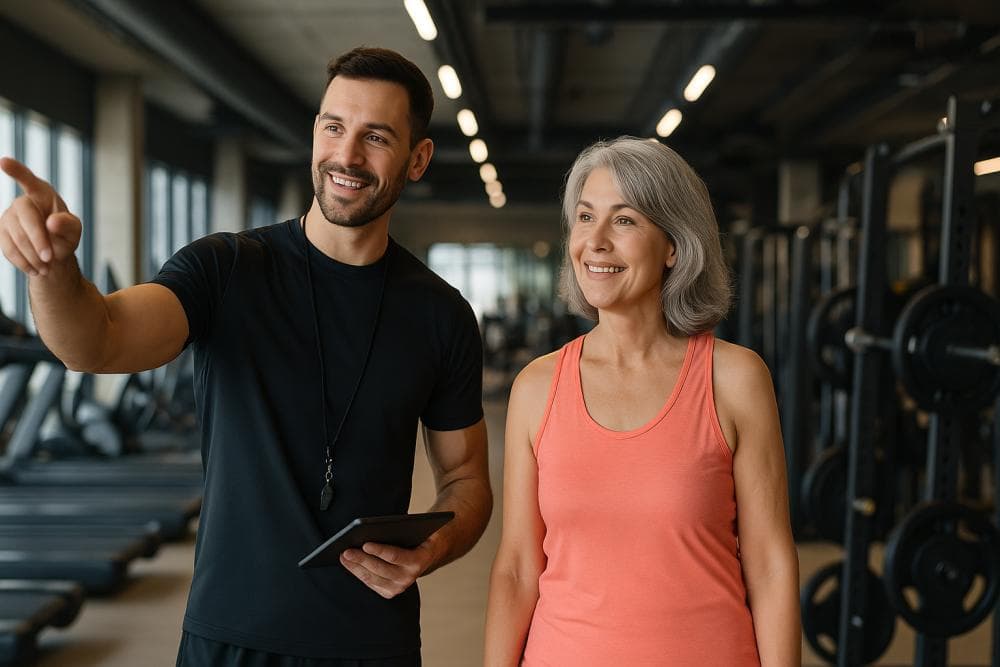
Every new member starts with an induction, so for your first visit just bring yourself, your water bottle and comfortable clothes, and you'll be shown how the place works. If you'd like more guidance after that, group classes and personal training are available. If you have an injury or a health condition, check in with your GP or physio before you start.
Key takeaways
- The must-haves: access card or app, water, a towel, closed-toe shoes and clothes you can move in.
- Headphones, a padlock and a way to record your lifts are useful but optional.
- Skip gloves, belts and supplements when you're starting out.
- Keep a packed bag by the door or in the car so getting there is easy.
General information only, not medical advice. If you have a health condition, injury or joint replacement, check with your GP or physio before starting something new.