Weight bearing exercises for osteoporosis are activities done on your feet, where your bones carry your body weight, such as brisk walking, stair climbing and step-ups. Combined with progressive resistance training, they give bones the regular load they need to stay strong. People with osteoporosis or osteopenia should get advice from their GP or physio first, start gently, avoid heavy forward bending and twisting, and build intensity slowly.
What weight bearing exercises for osteoporosis are
Bone is living tissue. It responds to the forces placed on it, and it tends to thin out when those forces are missing. Weight bearing exercises for osteoporosis work by putting gentle, repeated load through the skeleton while you're upright and supporting your own body.
Walking, marching on the spot, climbing stairs, step-ups and dancing are all weight bearing. Swimming and cycling are great for your heart and joints, but because the water or the bike seat takes your weight, they don't load your bones in the same way.
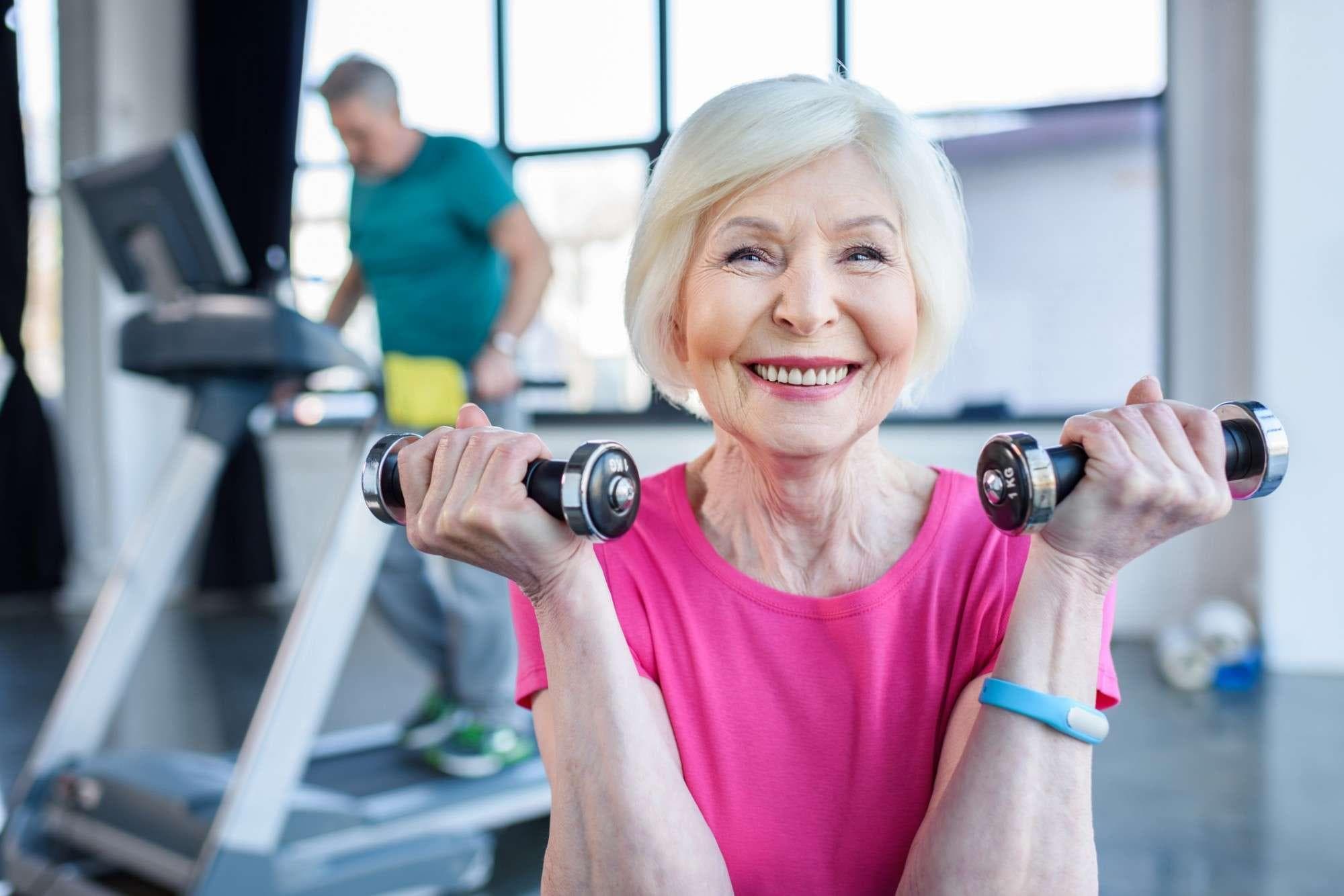
Resistance training is the other half of the picture. When muscles pull hard on the bones they attach to, that pull is another useful signal for bone. A program that includes both weight bearing activity and strength work covers the most ground.
Talk to your GP or physio before you begin
If you've been told you have osteoporosis or osteopenia, get personal advice before starting a new exercise routine. Your GP or physio can consider your bone density results, any past fractures, your balance and other health conditions, then tell you what's suitable.
Ask them directly which movements you should avoid, how much you can safely lift, and whether high impact activity like small jumps is appropriate for you. The answer is different for different people, so general advice online, including this guide, is no substitute.
Exercises for bone density to discuss with your health professional
These are commonly recommended starting points. Do them with good posture, a tall spine and steady control, and stop if anything causes pain.
- Brisk walking: the simplest weight bearing exercise. Build up the time first, then add gentle hills or stairs.
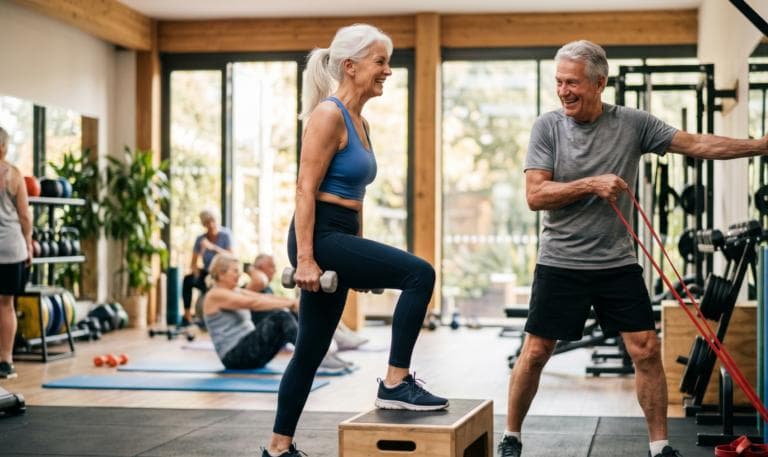
- Step-ups: step onto a low, stable step and stand up tall, then step down slowly. Hold a rail if you need to. Progress by raising the step height a little.
- Heel drops: stand holding a bench, rise onto your toes, then let your heels drop to the floor with a light thud. Only do this if your health professional is happy with some impact.
- Squat to a chair: sit back towards a chair, lightly touch it, and stand again. Keep your chest proud rather than bending forward at the waist.
- Wall push-up: a gentle way to load the arms and upper body. Progress to a bench height as you get stronger.
- Standing row with a band or cable: pull your elbows back and squeeze between your shoulder blades. This strengthens the upper back and supports good posture.
Movements to be careful with
With fragile bones, how you move matters as much as what you do. Deep forward bending of the spine, such as toe touches and traditional sit-ups, and forceful twisting under load are often discouraged for people with osteoporosis. Your physio can show you safer alternatives.
When you pick something up from the floor, bend at your hips and knees and keep your back long, rather than rounding over. The same applies at the gym when setting up equipment or loading weights.
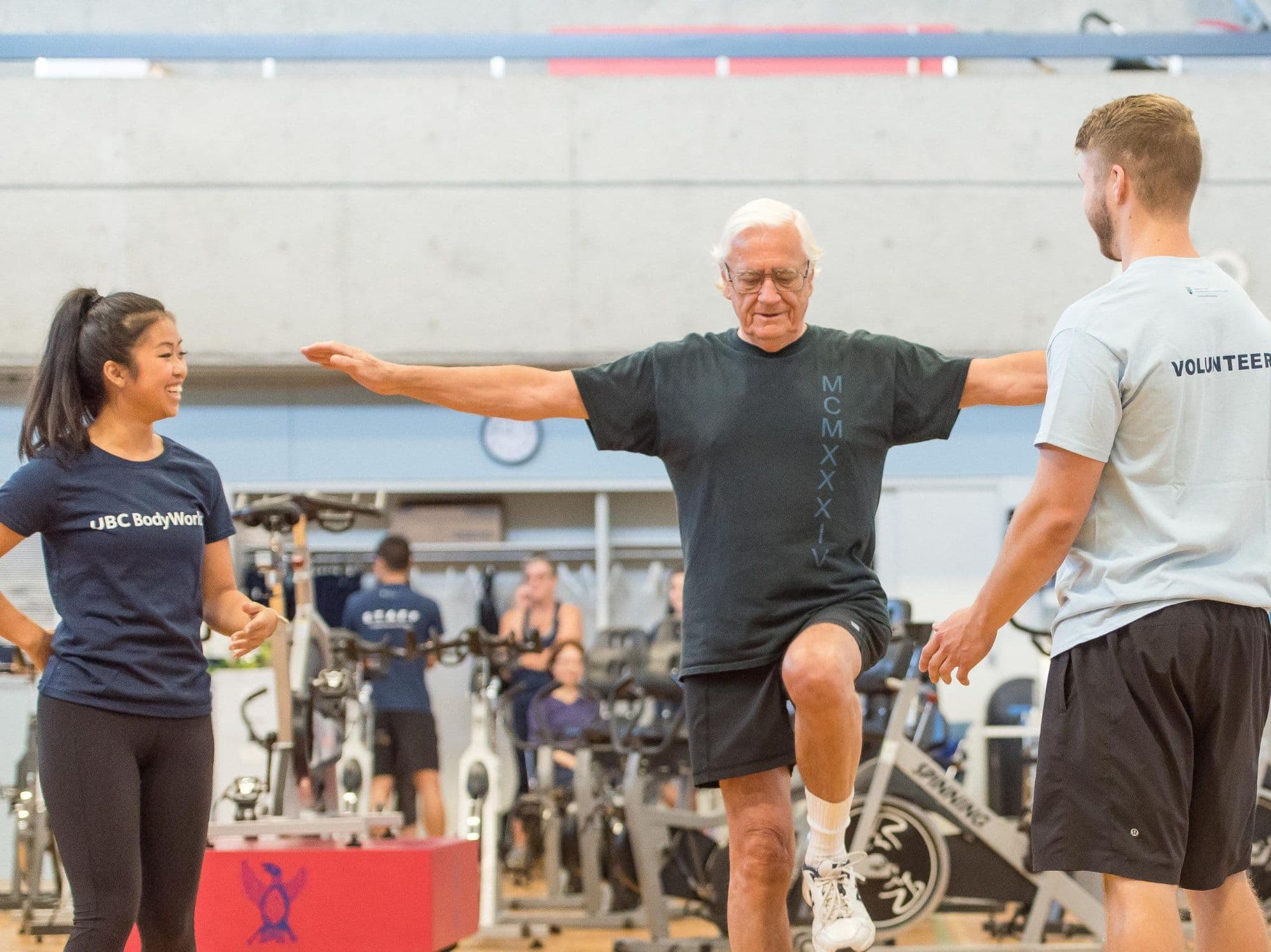
Falls are a real concern when bones are weaker, so balance work is an important companion to bone-loading exercise. Practising balance regularly helps you stay steady and confident.
Building up gradually
Bones respond to load that is a little more than they're used to, applied regularly over a long period. That means steady progress is the goal. Start with an amount that feels comfortable, then slowly add time to your walks, height to your steps or weight to your strength exercises.
Aim for strength training on at least two days a week, in line with Australia's Physical Activity and Exercise Guidelines, and weight bearing activity on most days. Changes to bone take time, so think in terms of months and years, not weeks.
Starting at a gym like Foundation
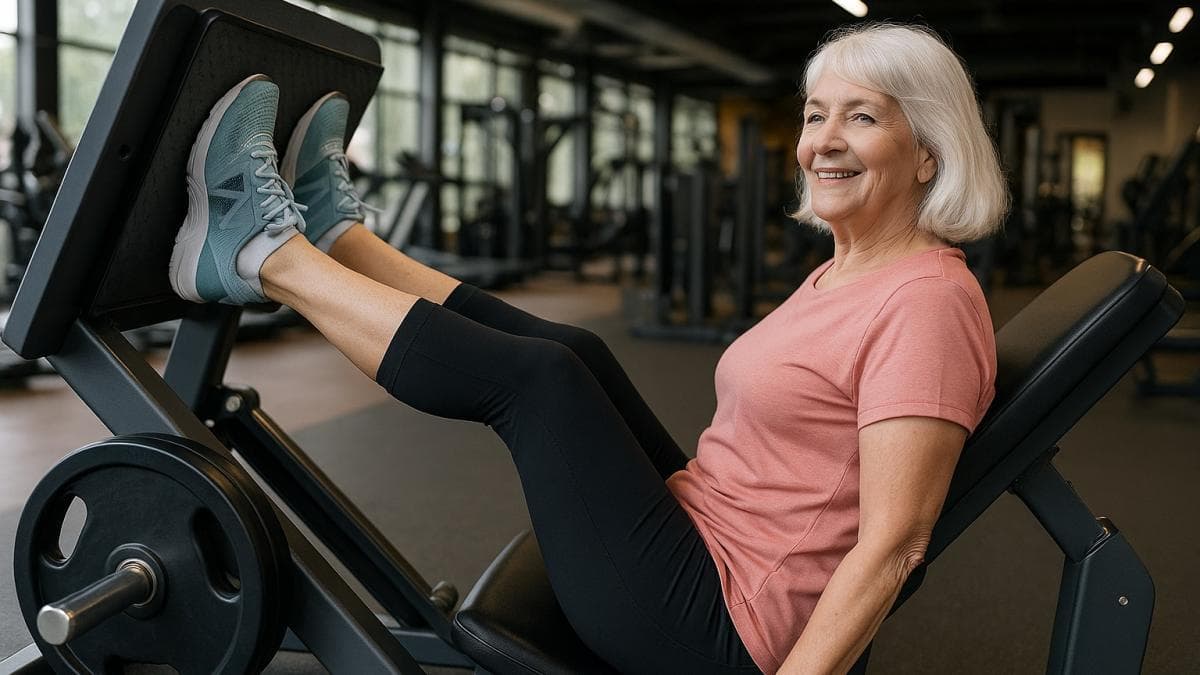
A gym makes it easier to apply load in small, measured steps. Machines such as the leg press and seated row let you choose a light starting weight and increase it a little at a time, with your back supported.
At Foundation, your induction includes being shown how to adjust and use the equipment safely. Bring any advice from your GP or physio with you, start light, and go at your own pace. With 24/7 access you can train at quieter times when you won't feel hurried.
Key takeaways
- Weight bearing exercises for osteoporosis load your bones while you're on your feet, such as walking and step-ups.
- Resistance training adds a second, useful signal to bone, so include both.
- Get personal advice from your GP or physio first, especially about impact and bending.
- Avoid deep forward bending and loaded twisting unless your health professional says otherwise.
- Build up slowly and keep going. Bone changes over months and years.
General information only, not medical advice. If you have a health condition, injury or joint replacement, check with your GP or physio before starting something new.