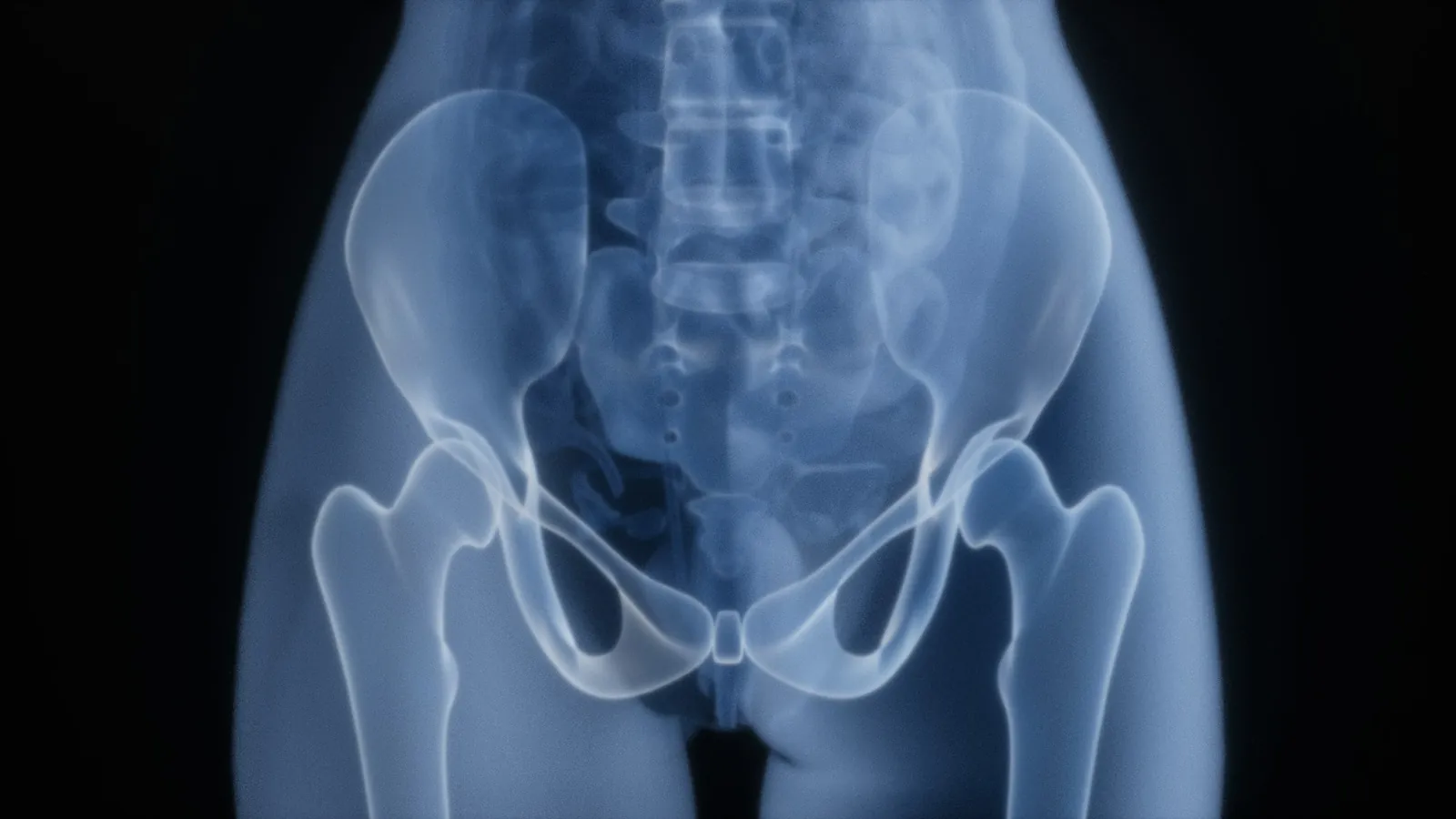
A DEXA scan is a quick, very low dose X-ray that measures your bones, muscle and body fat. You lie still on a padded table for a few minutes while a scanner arm passes over you. A bone density scan checks for osteoporosis or osteopenia, while a body composition scan shows how much lean muscle and fat you carry and where it sits. Your GP can tell you which scan suits you and whether Medicare may help with the cost.
What a DEXA scan is
DEXA stands for dual-energy X-ray absorptiometry. The scanner sends two very low dose X-ray beams through your body, and because bone, muscle and fat each absorb those beams differently, the machine can work out how much of each is there.
You lie on your back on a padded table, fully clothed in most cases, while an arm moves slowly over you. There's no tunnel, no needles and nothing to drink beforehand. You just need to lie still. Most scans take only a few minutes, and the whole appointment is usually short.
The radiation dose from a DEXA scan is very low, much lower than many other X-rays. It's still an X-ray, though, so tell the clinic if you are or might be pregnant, or if you've recently had a scan that used contrast dye or a nuclear medicine test.
Bone density scan vs body composition scan
People often say "a DEXA scan" as if there's only one, but there are two main kinds, and they answer different questions.
A bone density scan looks at the hips and lower spine, and sometimes the forearm. It's the standard test for diagnosing osteoporosis and osteopenia, which is when bones are thinner than they should be but not yet at the osteoporosis level.
A body composition scan, sometimes called a DEXA body fat scan, is a whole body scan. It shows your lean muscle, fat and bone in each region, such as your arms, legs and trunk, so you can see where muscle and fat sit. It also estimates visceral fat, which is the fat stored deep around your organs rather than under the skin.
On a bone density report you'll usually see two scores:
- T-score: compares your bone density with that of a healthy young adult. A score near zero is in the normal range. The further below zero it goes, the thinner your bones are compared with that young adult, and your doctor uses this to tell whether you have osteopenia or osteoporosis.
- Z-score: compares your bone density with people of your own age and sex. A low Z-score can prompt your doctor to look for other reasons your bones might be thinner than expected.
What to expect on the day, cost and Medicare
Preparation is simple. Wear loose, comfortable clothes without metal, so skip zips, buttons, underwire and belts if you can, and leave jewellery at home. You may be asked to stop calcium supplements for a day before a bone density scan. Every clinic has its own instructions, so follow the ones they give you when you book.
So how much does a DEXA scan cost? Prices vary between clinics and between types of scan, so it's worth calling a couple of providers and asking. A bone density scan can attract a Medicare rebate for people aged 70 and over, and for some people with certain conditions or risk factors for bone loss. Your GP can tell you whether you're eligible and write a referral.
Body composition scans are generally not covered by Medicare and are paid for privately. Some clinics offer them without a referral, while others ask for one, so check when you book.
If you're searching for a DEXA scan near me around Burrum Heads and the Fraser Coast, radiology and medical imaging clinics are where scans are done. The closest imaging providers are generally in Hervey Bay and Maryborough. Your GP can point you to a suitable clinic and organise a referral if you need one.
How DEXA results help with strength training
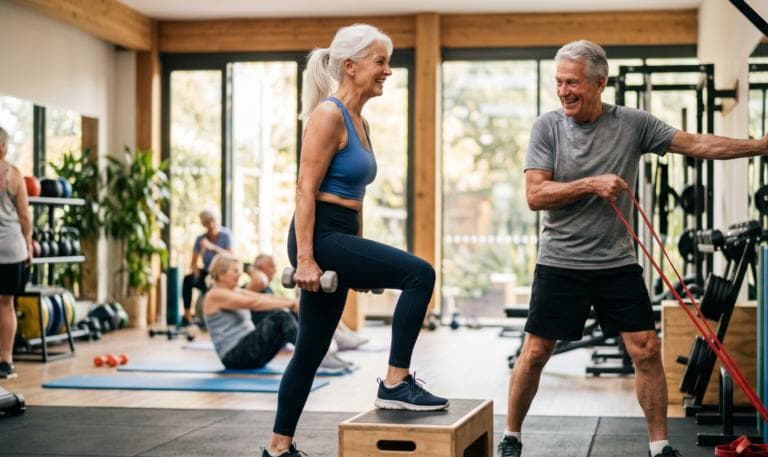
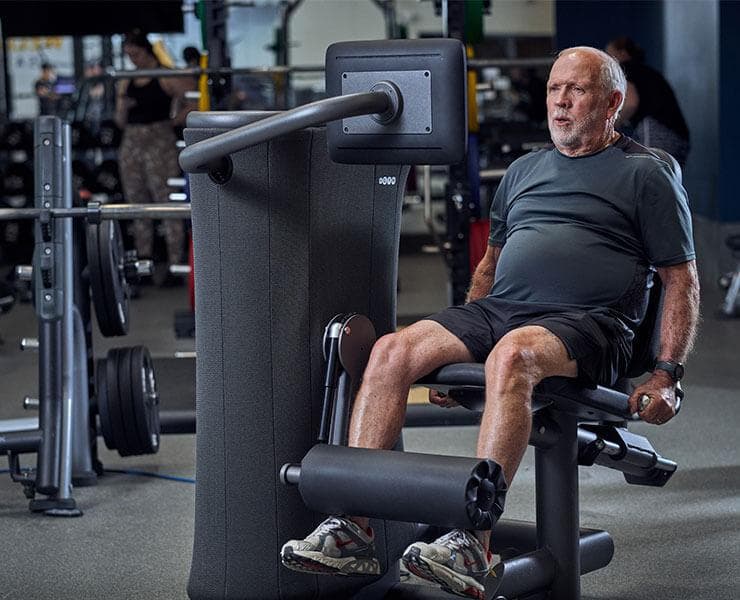
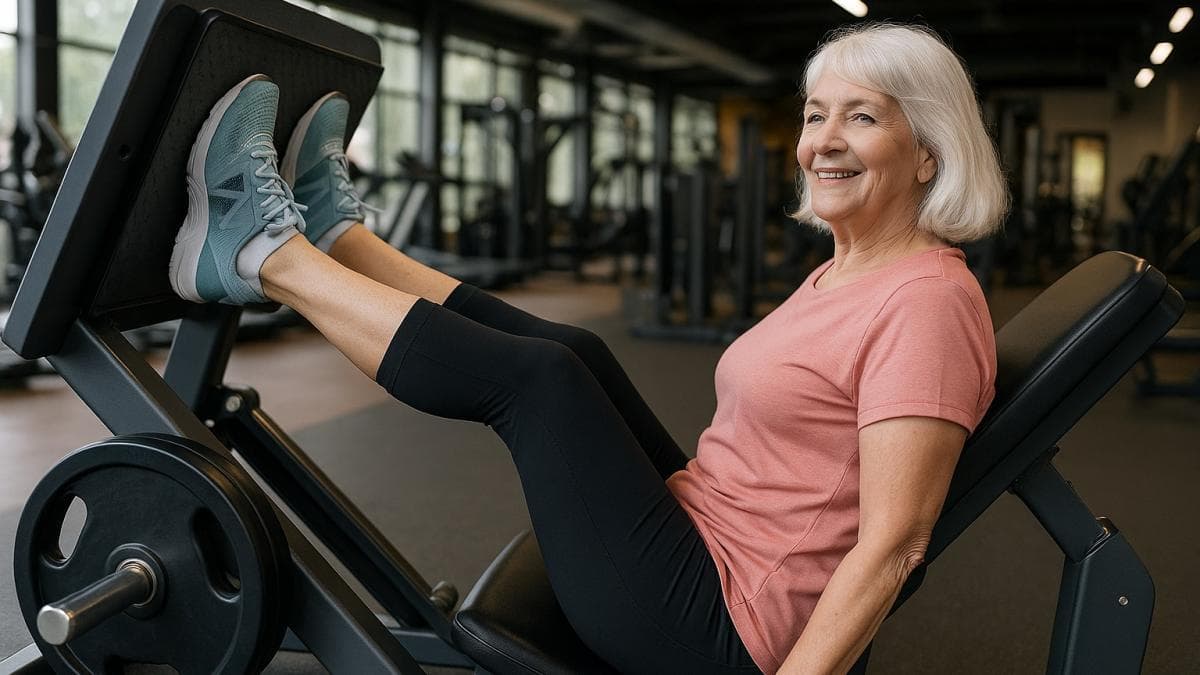
It's well established that muscle and bone strength tend to decline as we get older, and that strength training helps slow that decline. Muscle is what gets you out of a chair, up the stairs and carrying the shopping. Strong bones are less likely to break if you do have a fall.
A DEXA scan turns that general idea into something personal. A body composition scan gives you a clear starting point, showing how much lean muscle you carry and whether one side or region is lagging behind. A repeat scan after some months of training lets you see whether you've held on to muscle or built more.
A bone density result can also shape how you train. If your scan shows osteopenia or osteoporosis, your GP or physio can tell you which exercises suit you and which movements to be careful with. Weight bearing activity and progressive resistance training are often part of the plan, built up slowly.
Check with your GP before your first scan, and before starting a new exercise program, if you have osteoporosis or have had a fracture from a minor fall, have a heart, lung or joint condition, are recovering from surgery, or are unsure whether a scan or exercise plan suits you. This guide is general information, not medical advice.
How Foundation fits in
Every new member at Foundation is told about DEXA scans when they join. You don't need one to start training, but many people find a scan a useful way to measure where they're at and to see their progress over time.
Scans are done at a radiology or imaging clinic, not at the gym. If you're a Premium member, bring your results along and your personalised program and regular reviews can take them into account.
If you'd like structured support while you build strength, our Foundations of Strength and Stronger for Life classes are a good place to start. Bring any advice from your GP or physio with you, start light and go at your own pace.
Key takeaways
- A DEXA scan is a quick, very low dose X-ray that measures bone, muscle and fat while you lie still.
- A bone density scan checks for osteoporosis and osteopenia using a T-score and a Z-score.
- A body composition scan shows lean muscle, fat and visceral fat, and is generally paid privately.
- Prices vary between clinics. Ask your GP whether a bone density scan may attract a Medicare rebate for you.
- Results give you a starting point and a way to track muscle and bone as you strength train.
Try it in a class
Classes that cover this
- Foundations of Strength For anyone new to strength training, or coming back after a long break. You'll learn the basic movements step by step and build up gradually, so you can handle weights safely and with confidence.
- Stronger for Life The next step after Foundations of Strength. You'll gradually work with more weight and more challenging movements, building the strength you use every day: getting up, carrying, lifting and climbing stairs.
General information only, not medical advice. If you have a health condition, injury or joint replacement, check with your GP or physio before starting something new.